
An increasingly strict European regulation
Since the 1990s, the European Union has put in place standards aimed at guaranteeing fuel quality and reducing their environmental impact. These standards are updated regularly to adapt to the continent’s climate objectives. Fuels must meet precise specifications:
- Maximum sulphur content
- Octane / cetane number
- Polluting emissions linked to combustion
The reference texts
Several directives govern the sector, notably:
- Directive 98/70/EC on fuel quality
- RED III Directive (2023/2413) on renewable energy
- Regulation 2019/1242 on CO2 emissions of heavy-duty vehicles
Which fuels are concerned?
The regulation applies to the following fuels:
- Petrol (E5, E10)
- Diesel (B7, B10)
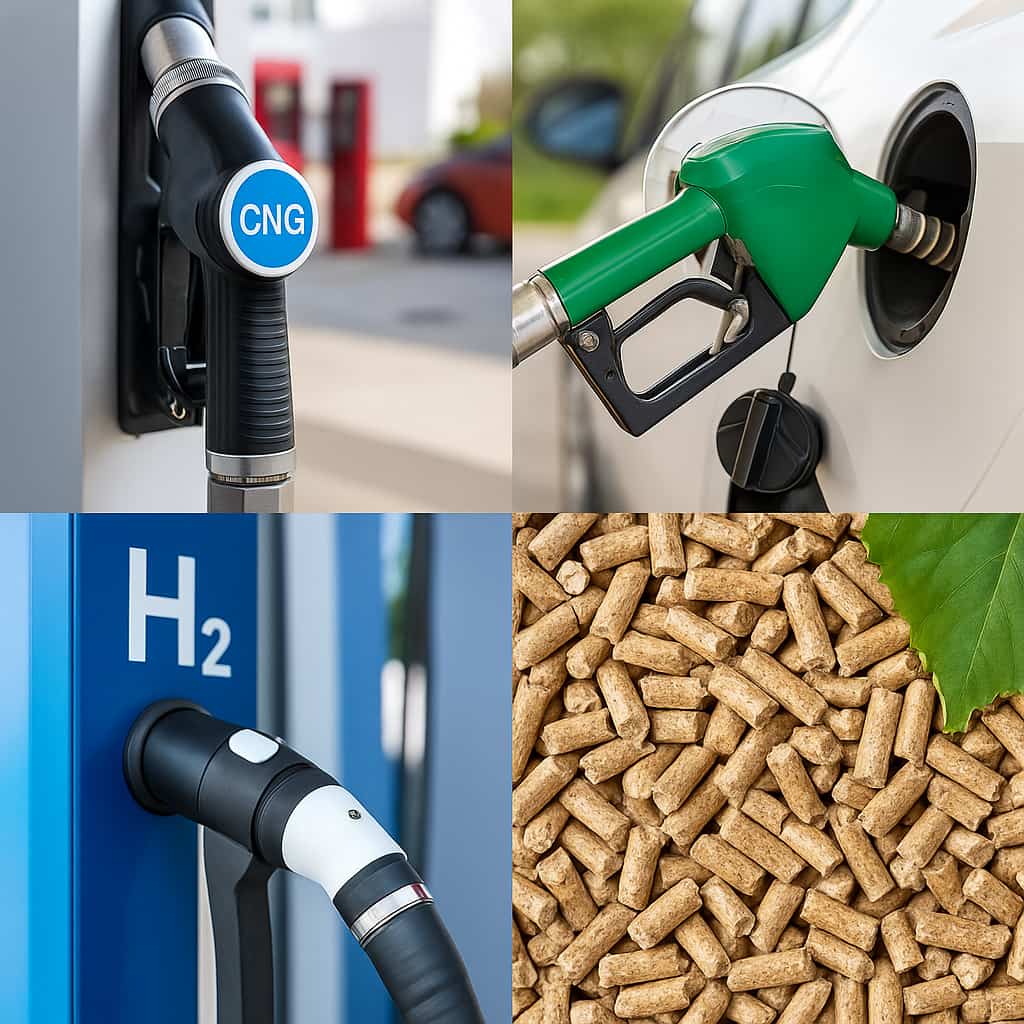
- LPG-c, CNG, bioCNG
- Hydrogen, electricity, synthetic fuels
A direct impact on consumption
Thanks to these standards:
- Air pollution has fallen in European cities
- Fuels contain fewer toxic compounds
- Alternative fuels are gradually being integrated into petrol stations
This also translates into better interoperability between countries.
What future for fossil fuels?
European standards are part of the Fit for 55 strategy, which provides for the end of sales of combustion-engine vehicles in 2035. This implies a rapid shift of fuels towards versions that are:
- lower-carbon (biodiesel, e‑fuel)
- or decarbonised (hydrogen, electricity)
Obligations for distributors
Distributors must:
- display regulatory information
- comply with storage and blending standards
- contribute to the traceability of biofuels
Non-compliance exposes them to administrative sanctions.
An evolving European framework
The standards are set to evolve further, with:
- Stricter greenhouse-gas thresholds
- Increased harmonisation between Member States
- A growing role for fuels derived from the circular economy
🔗 Read also:
- Renewable fuels: LanzaJet and ATOBA Energy join forces
- Understanding how the carbon market works
- RED III Directive – EUR-Lex