
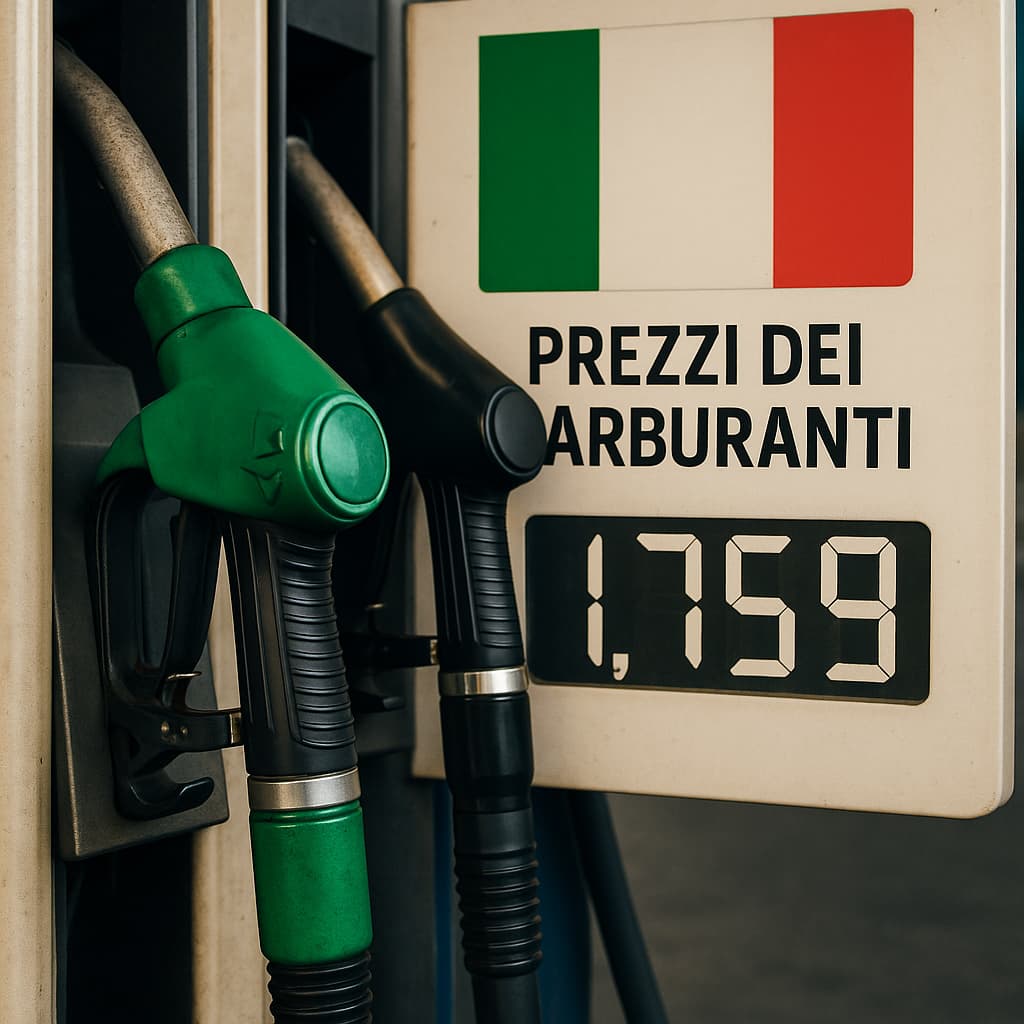
€2.800/L for diesel, €3.250/L for regular unleaded (SP95). These prices weren''t recorded in Germany or on an Alpine motorway, but on a small volcanic Italian island in the middle of the Mediterranean. On our listing for the NAUTILUS AVIATION SPA station, in Linosa, SP95 even tops the German record of €3.049/L captured in mid-August by the site 4Legend at an Aral station selling premium fuel.
Linosa, an island where every liter travels by boat
Linosa is part of the Pelagie Islands, between Sicily and Tunisia, with Lampedusa as its better-known neighbor. Barely 400 people live there year-round, with no local refinery or fuel depot: every liter of fuel has to be shipped in from Sicily, which mechanically drives up its cost. The station in question, apparently also serving aviation given its name, illustrates a classic pattern on the most isolated Mediterranean islands, where logistics weigh far more heavily on the final price than taxation does.
A record that beats Germany''s, without even being a premium fuel
What makes the Linosa case particularly striking is that this is regular SP95, not a premium fuel like Aral''s Ultimate 102 which hit €3.049/L in Germany. A "standard" gasoline at €3.250/L is a strong signal: in some places, geographic remoteness can weigh more heavily on the bill than the quality of the fuel itself.
A national average that stays far lower
This record remains an isolated case. On our comparator for Italy, national averages are far more contained: diesel stands at €2.167/L, SP95 at €2.056/L and SP98 at €2.161/L, with taxes accounting for between 47% and 53% of the price depending on the fuel. These averages are climbing slowly, by around 2 to 4 cents over a month, far from the surge seen in Linosa or in parts of Germany this summer.
Why is fuel so expensive on some Italian islands?
The most isolated islands, like Linosa, have no local petroleum infrastructure: fuel has to be shipped in from Sicily or the mainland, adding transport and storage costs that don''t exist elsewhere. This logistical premium can push the price well above national averages, regardless of taxation.