
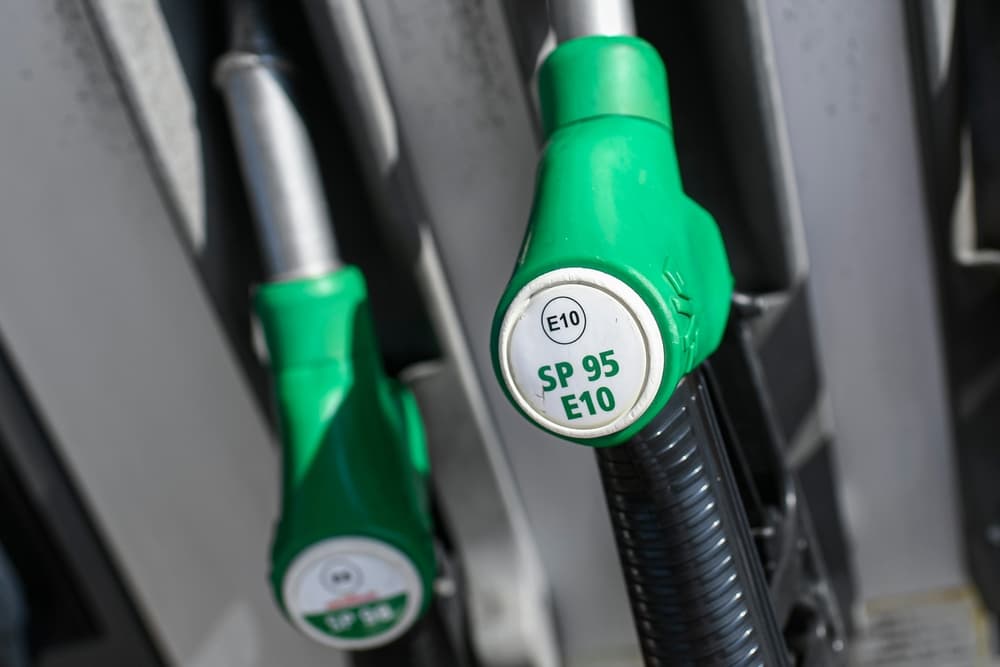
What is SP95-E10?
SP95-E10 is an unleaded petrol-type fuel containing up to 10% bioethanol, a renewable alcohol made from plant material such as sugar beet, maize or wheat. In this name, SP stands for Sans Plomb (unleaded), 95 is the RON octane rating guaranteeing good resistance to self-ignition, E indicates the presence of ethanol and 10 the maximum bioethanol content of 10% in the blend.
Understanding bioethanol
Bioethanol is a plant-based fuel obtained by fermenting natural sugars found in plants such as sugar beet, wheat or maize. Used as an additive in some petrols, it reduces the consumption of fossil energy and greenhouse gas emissions. Because its production is renewable, bioethanol is part of the energy transition towards more environmentally friendly mobility.
The RON rating
The RON rating (Research Octane Number) measures a fuel's resistance to self-ignition under high compression, a phenomenon that can damage the engine. The higher the rating, the better the fuel withstands pressure without igniting prematurely. For SP95, the rating of 95 guarantees an optimal balance between engine performance and protection against knocking, notably in modern engines.
Advantages of SP95-E10
- Reduced CO₂ emissions: using bioethanol lowers greenhouse gas emissions, helping the fight against climate change.
- Local production: bioethanol is produced from crops, which supports the local economy and reduces dependence on oil imports.
Drawbacks and limits
- Limited compatibility: although most recent petrol vehicles are compatible with SP95-E10, some older models may run into mechanical problems, notably with seals and hoses.
- Slight overconsumption: because SP95-E10 has a lower energy density than SP95, fuel consumption may rise by around 1 to 3%.
- Risk of corrosion: because ethanol is hygroscopic, it can promote corrosion of the metal components of the fuel system, especially if the vehicle is left unused for a long time.
SP95-E10 in France
Introduced in France in 2009, SP95-E10 has become the most widely distributed petrol in the country. About 90% of petrol vehicles on the road in France are compatible with it. To check a vehicle's compatibility, the official list is available on the website of the French Ministry of Ecological Transition.
In France, SP95-E10 is generally cheaper at the pump than SP95 or SP98, thanks to taxation tied to its bioethanol content, and most of the bioethanol used is produced domestically. National average prices for the week of 28 September to 4 October 2026:
| Fuel | Ethanol content | Average price | Compatibility |
|---|---|---|---|
| SP95 | 5% | €2.211/L | Petrol vehicles |
| SP95-E10 | 10% | €2.134/L | Compatible vehicles |
| SP98 | 5% | €2.219/L | Petrol vehicles |
| E85 | 85% | €0.897/L | Flex-fuel vehicles or fitted with a kit |